
DEVELOPMENT & INFRASTRUCTURE
The Role of Sustainable Infrastructure in Africa's Development
Examining how infrastructure priorities, renewable energy integration and sustainable urban mobility intersect to support long-term economic activity across African markets.
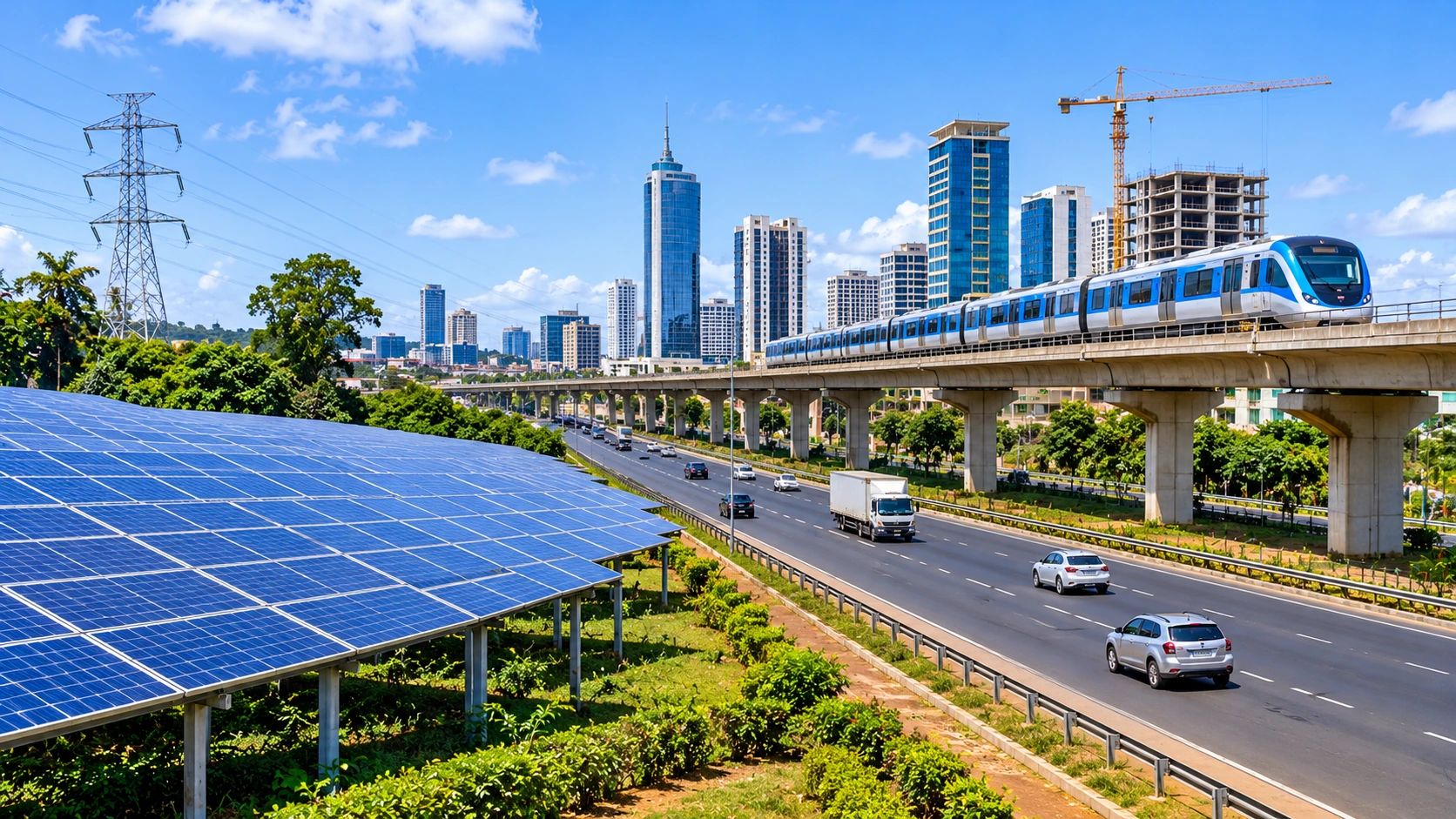
Infrastructure as a Catalyst for Commercial Growth
Reliable power generation, transport corridors and urban transit networks underpin nearly every productive sector. Across rapidly growing African cities, infrastructure development is moving beyond traditional models toward solutions that balance capacity expansion with environmental and social considerations.
Integrating renewable energy and clean mobility into early project planning enables municipalities and private-sector partners to address immediate operational bottlenecks while building long-term resilience.
Key Pillars of Sustainable Infrastructure Initiatives
Well-structured sustainable development initiatives typically bring together four complementary elements:
- Clean urban mobility: Transitioning high-frequency public transit routes toward electric fleets to reduce operating emissions.
- Charging and grid readiness: Pairing transport deployment with dedicated charging infrastructure and renewable power generation.
- Local skills and employment: Embedding technical training and operational roles within local communities.
- Bankable project framing: Presenting clear technical and commercial parameters for development partners and investors.
Connecting Strategy to Practical Initiatives
Initiatives such as electric bus deployment in major urban centres illustrate how targeted infrastructure concepts can align environmental objectives with practical commercial execution.